

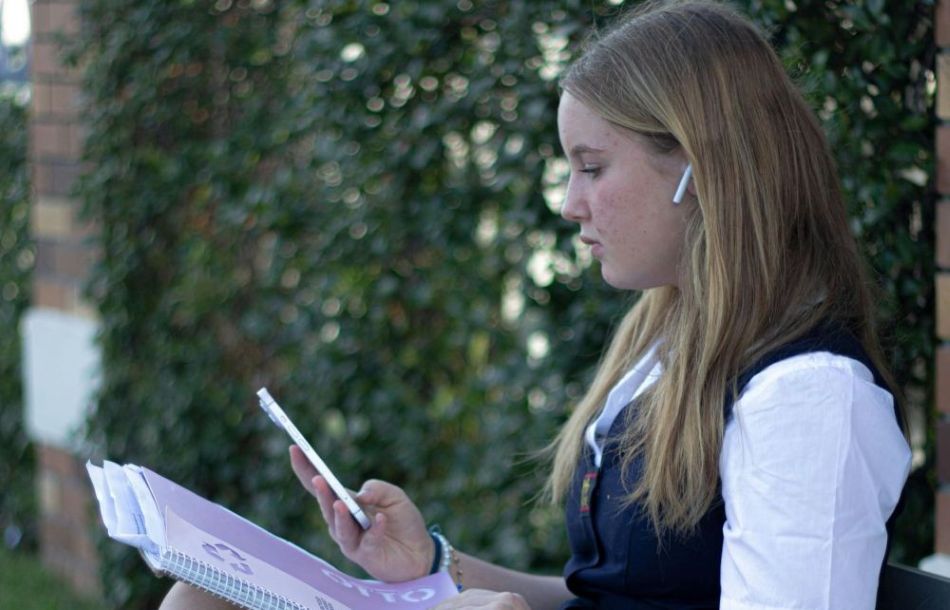
SCHOOLS in Dorset are being encouraged to adopt phone-free days as part of a wider push to reduce the impact of smartphones on children’s learning and wellbeing.
New guidance issued by Dorset Council calls on all schools to prohibit mobile phone use during the day through their behaviour policies.
The guidance has been developed in partnership with school leaders, young people and the Dorset Education Board.
It supports smartphone-free environments in first and primary schools while sharing best practice from middle and secondary schools that already restrict phone use for pupils in Key Stages 2 and 3.
While much of the focus is on classrooms, the council has acknowledged that most phone use happens outside school hours, and families are encouraged to delay giving a smartphone until at least the age of 14, unless there is a clear and specific need.
For parents who want their child to be contactable while travelling to and from school, the guidance suggests using basic “brick” phones that do not have internet access.
Schools are also being asked to take a flexible and inclusive approach, making reasonable adjustments for pupils who need access to a phone for medical reasons, safeguarding concerns or caring responsibilities.
Cabinet member for children’s services, education and skills Cllr Clare Sutton said a consistent approach could make a significant difference.
“Phones can be great tools for adults, but in school they’re often a distraction and a source of harm,” she said. “A clear, consistent approach makes classrooms calmer and learning stronger, and it gives children space to socialise face to face.
“We’ll back schools to implement phone-free days and we’ll help families with practical steps at home, so children can focus, feel safe and thrive.”
The guidance promotes a “whole community” approach, encouraging schools to clearly communicate expectations to pupils and parents, teach digital literacy and responsible phone use, and offer practical support where needed – including working with bus companies if travel arrangements are affected.
For families whose children already have smartphones, the council recommends making full use of parental controls and safer SIM card options.
Further support will be available through a spring term parent event featuring the Smartphone Free Childhood campaign and local professionals.
More details are expected to be announced soon.






A step in the right direction – well done to those campaigning for this change to protect our children
In full support. Get phones out of schools and out of kids hands.