

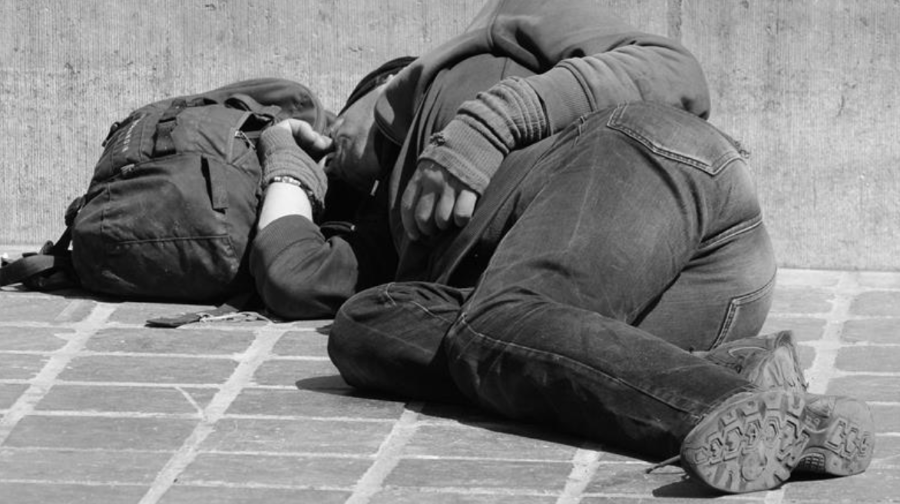
ROUGH sleeping in Dorset has fallen to its lowest level since 2022, defying rising numbers across the South West and England as a whole.
The latest annual snapshot recorded 14 people sleeping rough across the Dorset Council area in 2025, down from 15 in both 2024 and 2023.
By comparison, rough sleeping rose by 11% across the South West, while national figures increased by 3%.
Across England, 4,793 people were estimated to be sleeping rough on a single night last autumn – the highest figure since the current recording system was introduced in 2010, and the fourth consecutive annual rise.
Dorset’s figures over the past five years have remained relatively stable, with 12 recorded in 2022 and 13 in 2021.
Weymouth continues to have the highest concentration of rough sleepers in the county, with smaller numbers in Bridport, Dorchester, Swanage and Wimborne.
The council receives funding through the Rough Sleeping Prevention and Recovery Grant, supporting ten commissioned services and several internal posts aimed at tackling homelessness.
Key partners include Julian House, The Lantern Trust, Shelter, The Bus Shelter and Citizens Advice.
Services range from six-day-a-week outreach and supported housing in Weymouth, to specialist debt, housing and employment advice.
The Bus Shelter provides round-the-clock supported accommodation for up to 12 people.
Cabinet member for housing and health Cllr Gill Taylor said the reduction was welcome but cautioned against complacency.
“Our providers do an amazing job in helping tackle rough sleeping. We work closely with partners to put support and accommodation in place wherever we can,” she said.
The council says it is continuing to invest in prevention, including its Housing Advice helpline, which offers early support to those struggling with rent, mortgages or relationship breakdowns.
Residents concerned about someone sleeping rough can report it via StreetLink, which connects people to local support services.




Leave a Reply