

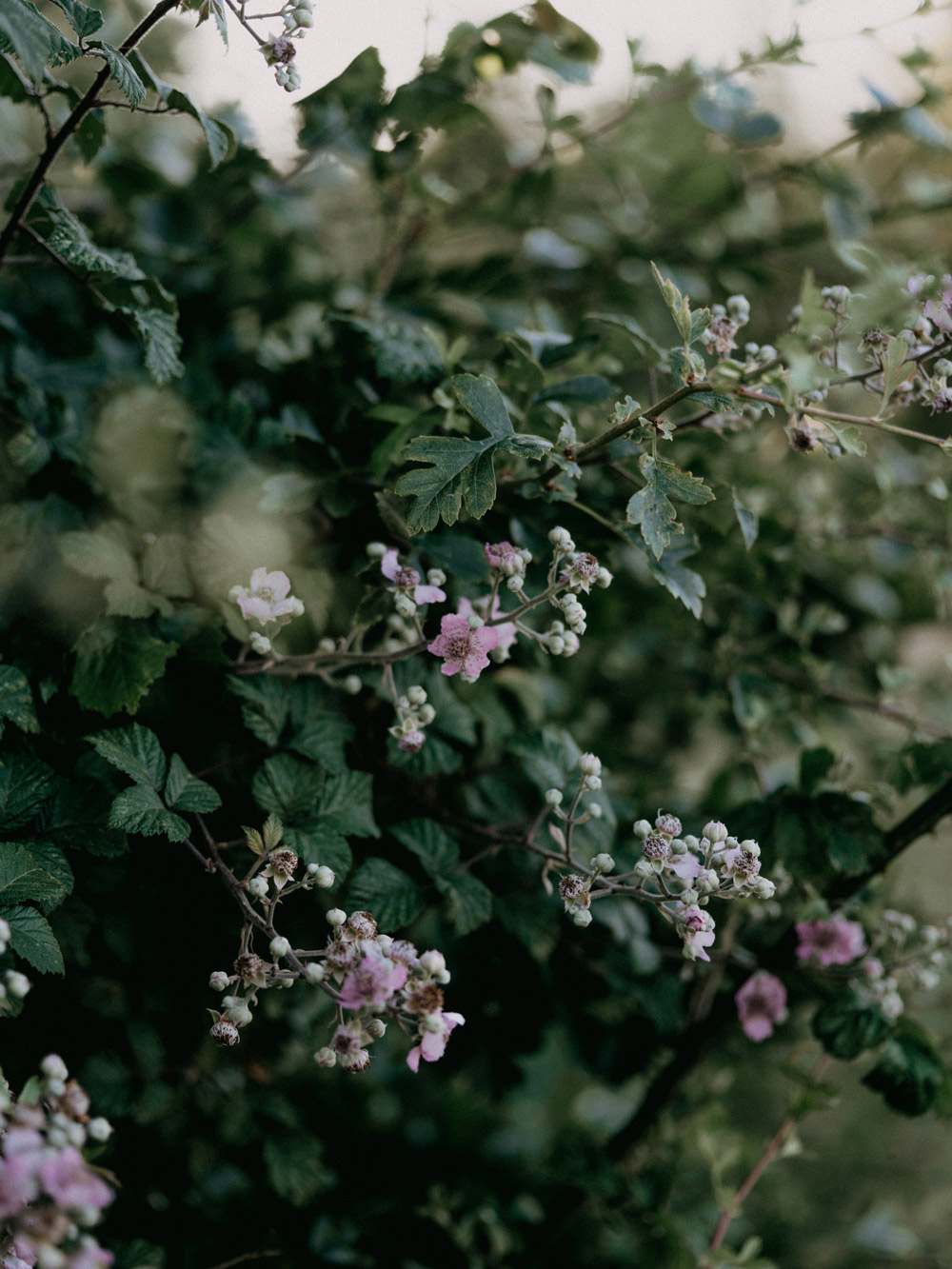
As we enter winter proper, it’s all about survival in the hives for our bee colonies.
Robbie Baird, North Dorset Beekeepers Association.
When I was last writing about bees and beekeeping, it was all about preparing for winter. That was back in October. Now it’s early December and we would have expected the bees to be spending much more of their time in the hives, sheltering from the cold outside… but not a bit of it!
Temperatures in November were so high – 4°C or more above the average for the time of year – that the bees were out foraging almost every day. You might have seen them on ivy in your garden. As one of the latest plants to flower just as autumn creeps towards winter, ivy can be the last chance saloon for honey bees to top up winter stores. In past years, it will often have been too cold by now for them to use this late source of food, but not this year! Watching the natural world certainly brings home the reality of our changing climate.
Honey bees don’t hibernate. Quite the reverse. They use their flight muscles to shiver and generate heat. When the temperature falls below 14°C, they start to cluster together in the hive to conserve warmth. The colder it gets, the tighter they cluster and, with their precious queen at the centre, will maintain a temperature of around 21°C, regardless of how cold it gets outside. All this heat doesn’t come for free, and the cost is measured in how much of their stored honey has to be eaten as they exercise those muscles to stay warm. It’s the bees’ equivalent of our gas or electricity bill as we heat our homes in winter. A honey bee exposed to temperatures below 7°C will become unable to move and will die.
Two things can get in the way of making those stores last.
If the queen is encouraged by the colony to continue laying eggs because winter isn’t happening, there will be extra mouths to feed as the larvae grow – it takes 21 days for a new worker bee to arrive from the day the egg is laid, through the larval and pupation stages until it finally emerges as a young bee. And, when the colony is raising new bees, the temperature must be kept higher at around 35°C. That’s a double hit on those winter stores and if it suddenly becomes colder or wetter, that hit on stored food can become critical to winter survival.
The second way stores can become depleted early is if the weather oscillates between cold and warm. Once the honey bees are in their cold weather cluster, that’s the best way they have of conserving warmth. The warmer it gets, the looser the cluster becomes, maybe even breaking up completely. All that heat is lost – like flinging open the windows in winter and watching the warmth of your home disappear.
Local food sources
However, as we beekeepers continue to worry about how our bees will manage the winter months, we can at least look at the honey on our shelves and wonder where all the nectar came from to produce it. In summer, during its short, six-week life, a honey bee worker will bring back enough nectar to produce just one-twelfth of a teaspoon of honey. That’s a lot of effort from a lot of bees to make a whole jar!
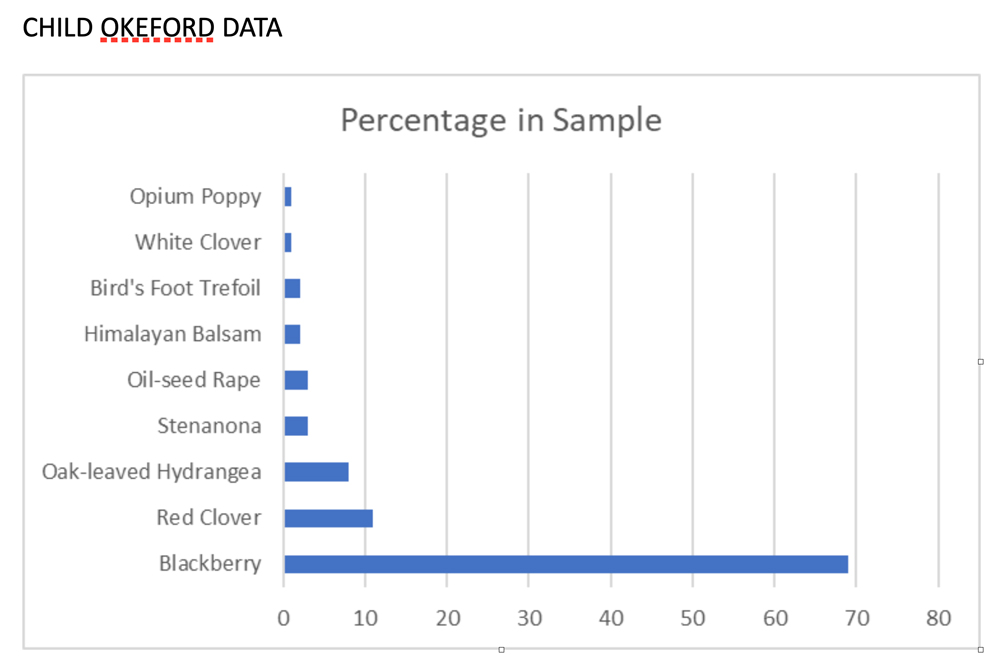
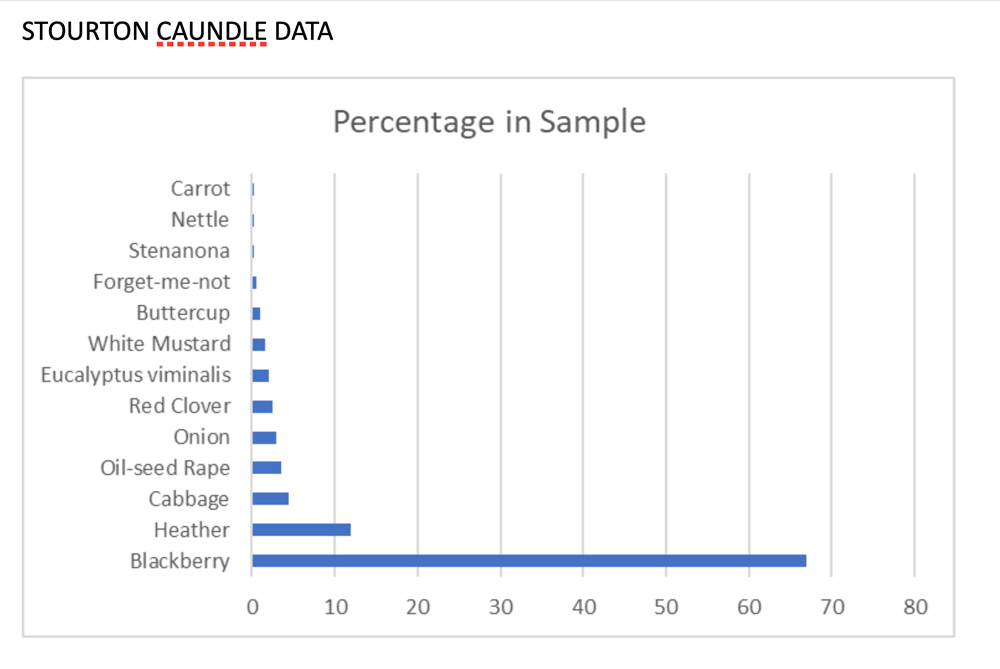
The National Honey Monitoring Scheme, run by the UK Centre for Ecology & Hydrology, offers to test samples of honey straight from the hive, analysing it for plant DNA. This gives an interesting perspective on where the bees have found their food within a three-mile radius of their hive, which is typically the maximum distance they’ll travel for a good source of nectar. Two local beekeepers have had this done recently and the results are shown here. They are both from North Dorset villages, mainly surrounded by pasture. The samples were taken in August and show where the bees have been feeding in summer. Had they been taken earlier in the year, they would probably have shown something different – blossom from apple and cherry trees and maybe horse chestnut. We might wonder about where the opium poppy is growing near Child Okeford – I’m sure it’s being grown somewhere under licence! But the single biggest conclusion has to be just how vital our hedgerows are to wildlife. They’re such an important resource and need to be protected. It might also make you think differently about the humble bramble.
To learn more about beekeeping and the North Dorset Beekeepers Association, look for NDBKA on Facebook or visit
www.northdorsetbeekeepers.org.uk. The Association is raising funds to build a new honey bee centre near Blandford and welcomes donations via its JustGiving page tinyurl.com/2p8kxhwb.







Leave a Reply