

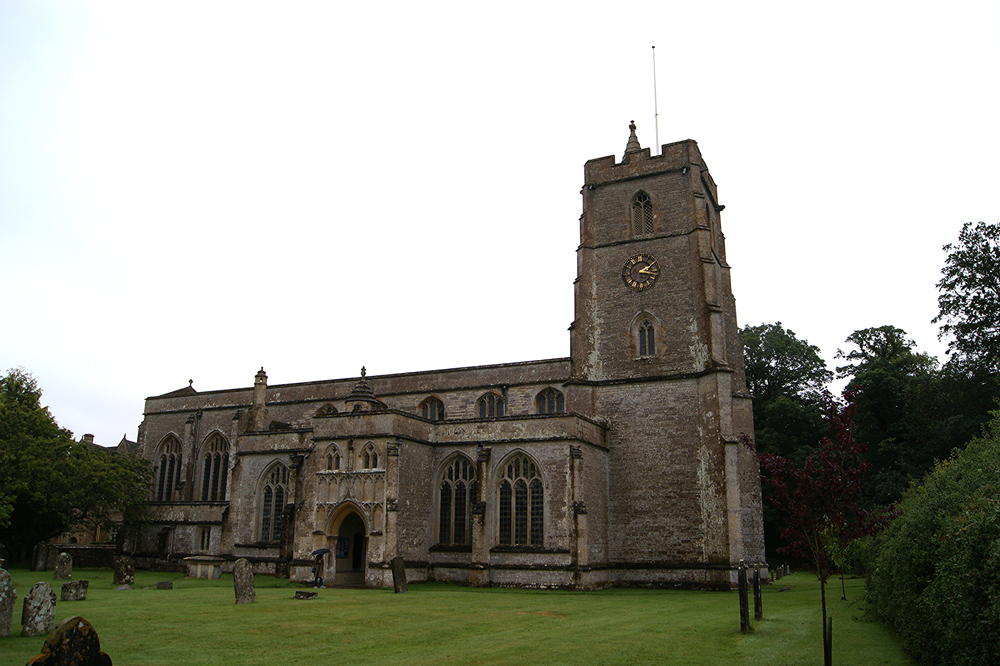
With small parishes struggling to recruit and retain clergy, and many church buildings in desperate need of repair, those in rural congregations are questioning Church’s priorities
by Jane Martin and Michael Martin
The Covid pandemic had a devastating effect on the finances of the Church of England. It decimated what little reserves each deanery (the local divisions of the Church of England) had, as well as their constituent parishes. All of this has had a serious and long-term effect on rural parishes.
Money for the Church of England comes from several sources, but what each diocese relies on is the money collected from parishioners. In the halcyon days of yesteryear, the money collected by parishes was mainly used locally for upkeep of the church, the minister and local charity. Parishes also paid their diocese an annual ‘quota’ to cover the costs of clergy training, housing and pensions. Then the Church of England made some disastrous investments and lost billions. To overcome their losses, the Church of England turned the quota into a ‘Parish Share’ – a yearly tax based on the number of participants in church. Although dioceses may use slightly different ways of estimating the Share, basically the potential contribution of each parish is calculated from wealthy to poor and the Parish Share adjusted according to the diocesan formula. The amount paid to the diocese can be substantial. In our parish with a regular congregation of 40 this amounts to over £20,000. Over the years, poor financial planning and, more recently, Covid have exposed the failure to look after reserves, and the sometimes reckless expenditure by some dioceses on new initiatives, most of which have failed to produce any significant results. Dioceses have found themselves facing serious deficits and have taken draconian action.
Selling off property
The first decision most dioceses took years ago was to sell-off their most attractive rural parsonages. More recently, they have slashed drastically the amount of money spent on training ministers (often candidates for the ministry have to pay for their own training). In the case of Bath and Wells, only £0.6 million out of an income of about £13 million is spent on training new ministers. The result of this cut is that there is a shortage of ministers and many parishes have vacancies – no priest of their own. The parishes most hard hit by this are the rural parishes, which tacitly have become almost expendable. The clergy are being asked to take on more and more parishes to cover the shortfall. Not unnaturally, many who want to preserve a life outside of their ministry have resigned, making the problem more acute.
Church or business?
The financial position of the Church of England is quite extraordinary. The published reserves of the Church of England were in excess of £9.5 billion last year. It paid its stockbrokers over half a million ponds in fees for a very successful investment year. Eventually, after first refusing, it is now promising to spend some of its reserves on rural parishes. Whether this money ever reaches us is doubtful: it will inevitably be spent on the deficits accumulated by the dioceses.
The Archbishop of Canterbury has just hosted the Lambeth Conference for all bishops and senior clerics worldwide and their spouses. One wonders what this has cost? We rely on the archbishop and the dioceses for two things: Spiritual leadership and clergy. During the Covid pandemic there was a marked paucity of leadership and even when the pandemic eased, we were locked out of our churches for private prayer. Although there is an acute shortage of clerics in the rural parishes, there was a concomitant expansion in the number of bishops. At present we have over 160 bishops in England; do we need that many? If only a small proportion of the money spent on bishops, archdeacons and their retinues was saved, more could be spent on rural parishes and keeping churches open.
An undervalued asset
Sadly, this is a very depressing story. Church of England membership is declining and will continue to do so. Unless the Church of England starts to recognise the importance of rural parishes, more churches will close and the income of dioceses through Parish Share will also decline. You will see more ‘festival churches’ only open at Christmas and Easter. There were also be more churches permanently closed or deconsecrated and sold off for alternative use. What is clear is that the Church of England is slowly letting rural churches wither on the vine into extinction.
NB the views expressed are those of the authors.




Leave a Reply