

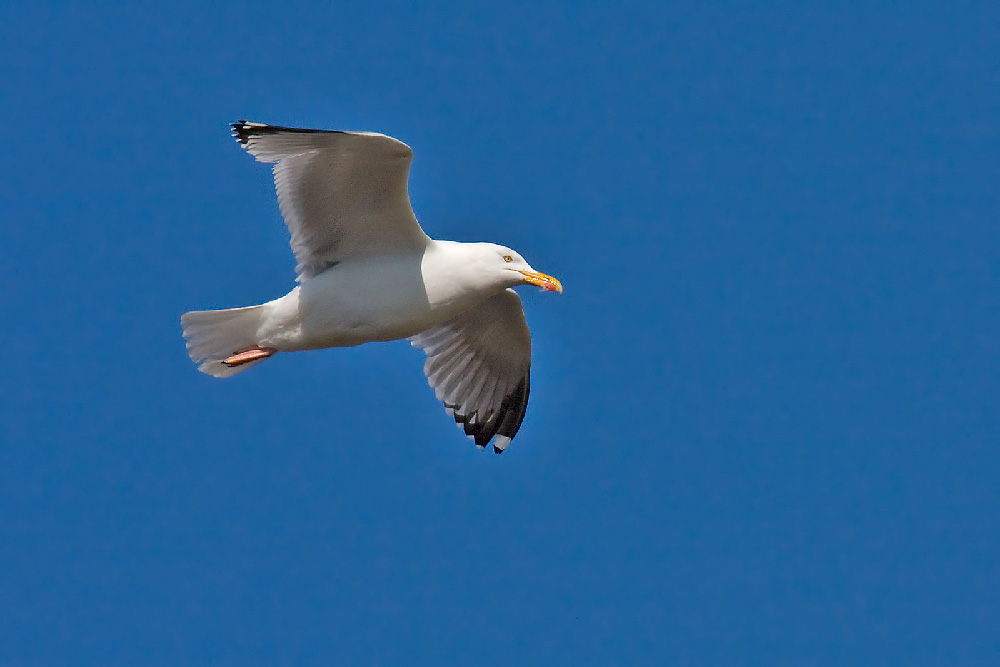
A fresh campaign aims to remind holidaymakers to keep their food under
wraps to protect endangered seagulls
The brilliant Litter Free Dorset is in full force again for summer. The group of volunteers has come up with another Don’t Feed the Locals campaign, working with town councils and food businesses to help spread the message to residents and tourists alike, to discourage intentional and accidental feeding of seagulls.
Don’t Feed the Locals is an engaging, positive and humorous way to reduce a littered environment and antisocial behaviour by seagulls, by improving human behaviour at seasides and town centres. The simple message asks:
• Never leave food unattended.
• Carefully dispose of any unwanted food.
• If public bins are full, please take your rubbish home.
“It’s really important we do not feed seagulls,” said Litter Free Dorset’s Sophie Colley, “as encouraging this bad behaviour can lead to them relying on scraps from humans. This may result in greedy gulls pulling rubbish out of bins to find scraps or stealing straight from our hands or laps. No one wants their alfresco dinner ruined by some aggressive gulls.”
There are already over 60 businesses across Dorset currently displaying Don’t Feed the Locals window stickers and posters, as well as banners in Dorset’s carparks and along seafronts.
“If the bins are full, please take your rubbish home,” says Sophie. “Seagulls are clever and will pull rubbish out of overflowing bins and tear apart bags placed next to or on top of bins, scattering litter everywhere while on the hunt for tasty treats. It is then blown or washed into our watercourses and out to sea.”
This is not an anti-seagull campaign. By not feeding seagulls human food, they will be more likely to seek out more appropriate food sources that are actually much better for them.
“This campaign isn’t just about litter on our streets,” says Ria Loveridge, Mitigation Coordinator at the Bird and Recreation Initiative (BARI). “Feeding seagulls human food is very bad for their health.”
It’s also an important message about the health of our most iconic seaside birds. For many of us, seagulls are the sound of the British seaside. “Although it may seem like there are loads of gulls around, the Herring Gull has actually been on the RSPB Red List (a list of 67 British endangered birds on a list including the Nightingale, Lesser Spotted Woodpecker, Marsh Tit, and believe it or not a House Sparrow) since 2009 due to declining populations, so please don’t feed the locals!”
For more information visit www.litterfreedorset.co.uk or find them on Facebook @LitterFreeDorset.





Leave a Reply