

HIGHWAYS workers across Dorset are facing a troubling reality with abuse on the job becoming so common that some say it is now expected.
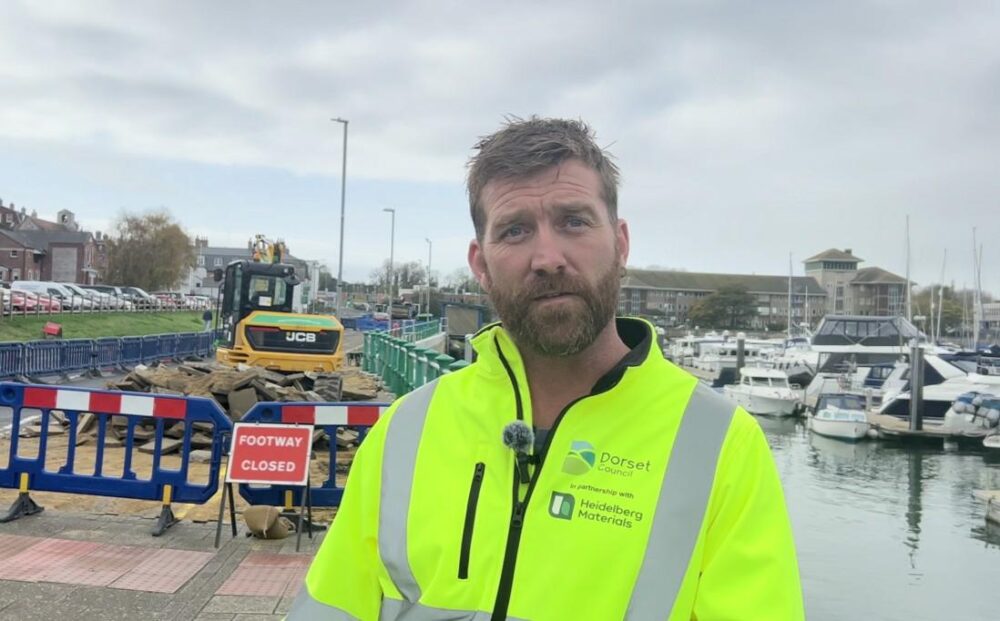
Ben, a construction supervisor with Dorset Council, has spent more than two decades helping to improve the county’s roads, but he says the atmosphere on site has changed.
“I’ve worked for the council for 21 years and I’m proud of the projects I’ve helped deliver. I like making a difference in the county I live in,” he said.
“But the worst part is that we’ve started to normalise abuse. We come to work almost expecting to be shouted at or told what we do is worthless, and that’s not a nice place to be.”
Ben describes seeing colleagues and friends subjected to verbal and even physical abuse while simply doing their jobs.
“People can be very aggressive, loud and confrontational. I can’t imagine going into someone else’s place of work and telling them what they did was worthless and a waste of money,” he said.
Highways crews work in all weathers to fix potholes, manage roadworks and deliver major infrastructure projects, often in difficult and dangerous conditions.
While most road users are patient, Dorset Council says a small minority direct their frustration at workers, slowing projects and risking safety.
Cabinet member for place services Cllr Jon Andrews said: “It saddens me that our workforce, who work to improve the lives of Dorset’s residents and visitors, should have to face abuse.
“They work in all weather conditions and sometimes in difficult circumstances. These are our sons, daughters, fathers and mothers, just regular Dorset residents.
“Please put yourself in their shoes before you take out your frustrations on them. Show some respect and kindness.”
The council has launched a campaign urging the public to “show some respect”, warning there is zero tolerance for abuse.
CCTV and body-worn cameras are in use, and incidents will be reported to police.
Nationally, more than 2,300 highways workers reported abuse in 2023 – a figure Dorset Council hopes to help drive down by changing attitudes, one interaction at a time.






Leave a Reply